
Small ways to find a steadier moment
When you feel overwhelmed, it can help to have something simple to try. These are some practices we can explore together. You can adapt them, stop if they feel uncomfortable and choose what is useful for you.
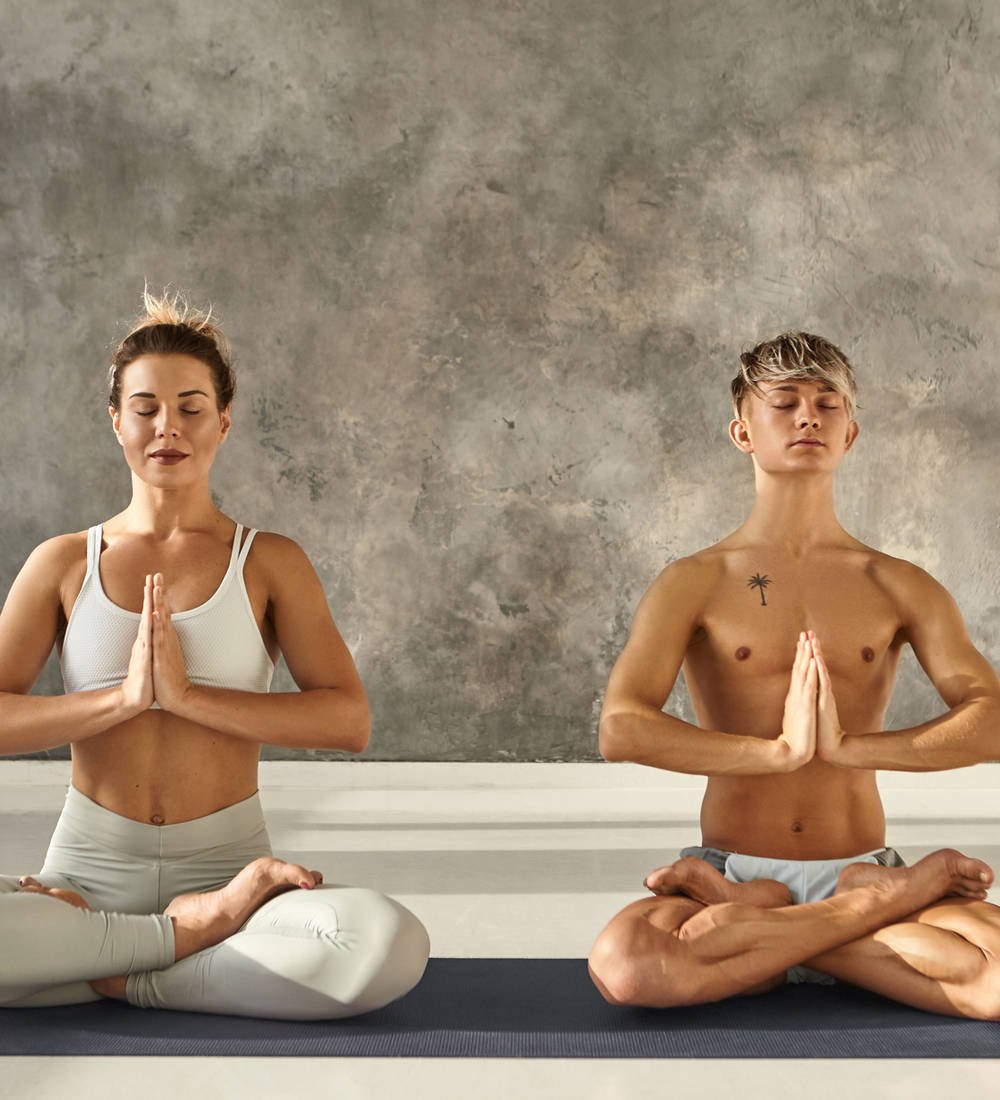
Six practices to explore
Choose one practice that feels comfortable. You can adjust it, keep your eyes open and stop whenever you need to.
A gentle breath
Let your breath flow comfortably in and out, without forcing it or holding it. Try this for a short time if it feels comfortable.
Notice your surroundings
Name five things you can see, four you can feel and three you can hear. Adapt the exercise to the senses available to you.
Feel your support
Notice your feet on the floor or the chair beneath you. Describe the contact and texture to yourself.
Soften a little tension
If comfortable, gently tense and release your hands or shoulders. Skip any area that is painful or injured.
A small movement
Take a gentle walk or stretch within your comfort and mobility. Notice the sensations of each movement.
Pause before responding
Stop for a moment, take a comfortable breath, observe what you are feeling and choose a next step.
A practice can be small enough to use
You do not need to use every technique or feel completely calm for a practice to be worthwhile. Start with one that feels manageable and try it during an ordinary moment.
If focusing on your breathing, body or an image increases distress, pause and choose a different approach. Looking around the room or noticing something outside yourself may feel more useful.
How therapy can help
I can help you try these practices and notice how you respond. We can adapt them to your comfort, mobility and sensory needs.
Compassion
Meet difficult feelings with care, rather than treating calmness as another thing you must achieve.
Curiosity
Notice which practices support you, what makes a situation harder and how your own sensory needs affect the experience.
Change
Build a small set of approaches you can use in everyday life. Practise together and adapt them as your needs change.
A little more room for the next step
A practice may help you notice what is happening, pause before reacting or return attention to something you want to do. Responses vary, and we can explore what fits you.
A little more about this work
What if a technique makes me more anxious?
Stop or pause. You can try something different, such as looking around you or noticing a familiar object. We can discuss what happened in therapy.
Do I need to close my eyes?
No. You can keep your eyes open and choose a practice that feels comfortable.
Can these techniques help with OCD?
They may support general wellbeing. If they become something you feel you must repeat to prevent harm or obtain certainty, discuss that pattern in therapy. The anxiety and OCD article explains exposure and response prevention.
Explore at your own pace
The longer article below explains this topic in more detail and includes further resources.
Read more about Relaxation & Grounding →Related areas
Useful resources
- NHS: breathing exercises for stress ↗
A guide to gentle, comfortable breathing.
Explore what else may be involved
Relaxation practices can be useful alongside exploring the things that leave you feeling overwhelmed. These pages look at some of those experiences.
Would you like to talk about it?
Send me a short message about what is troubling you. We can talk about what you need and whether counselling with me could help.
Get in touch